
Flags That Look Alike
In a world with nearly 200 countries, it's inevitable that some flags look alike. Sometimes it's pure coincidence, other times it reflects historical ties, and occasionally it has caused diplomatic confusion. Let's explore the most interesting cases.
Monaco and Indonesia: The Most Famous Case
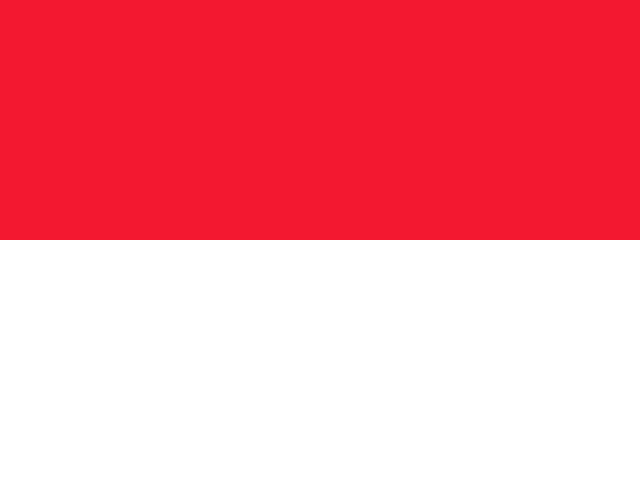 Monaco
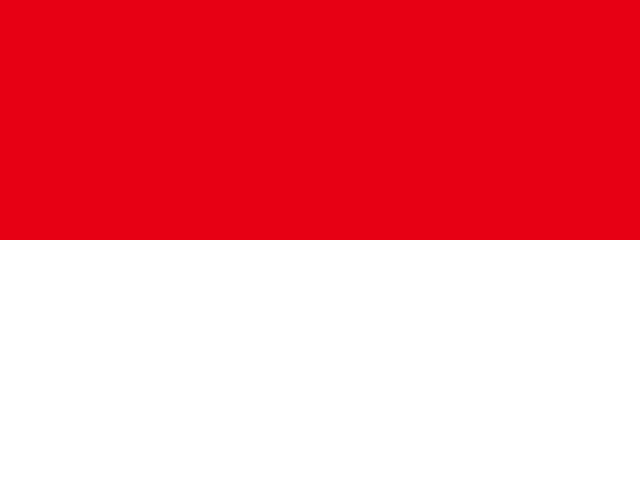 Indonesia
The flags of Monaco and Indonesia are practically identical: two horizontal stripes, red on top and white below. A useful distinction is their usual proportions: Monaco uses 4:5 and Indonesia 2:3.
Chad and Romania: Almost Indistinguishable
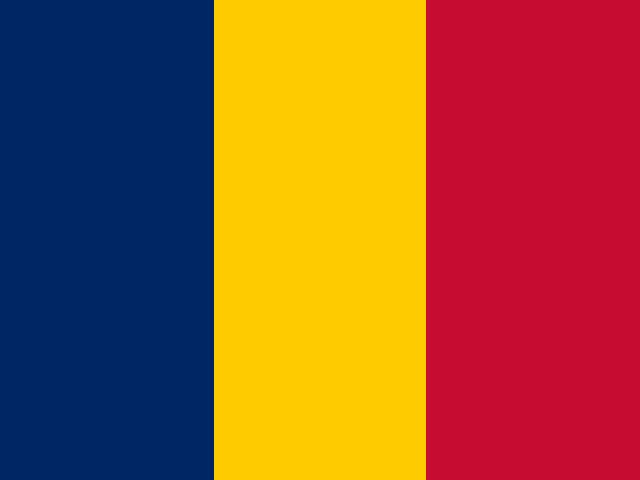 vs
vs
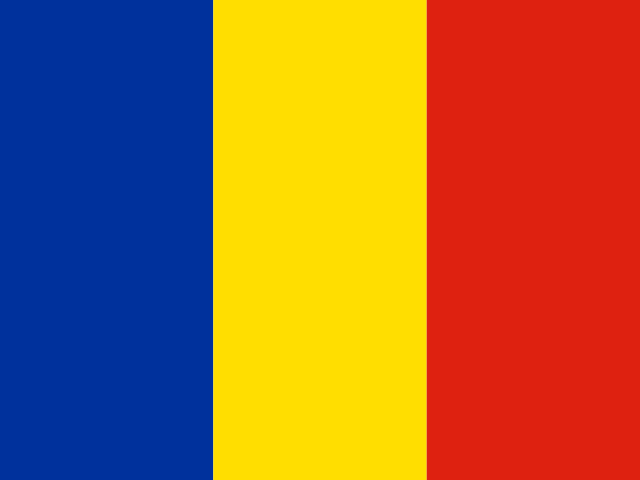
These two flags cause confusion even among experts. Both have three vertical stripes of blue-yellow-red, and the shades are almost identical (Chad's blue is slightly darker).
Chad adopted its flag in 1959, combining Pan-African colors with the French tricolor design. Romania has used these colors since 1848, inspired by the French Revolution.
Netherlands and Luxembourg: Close Cousins
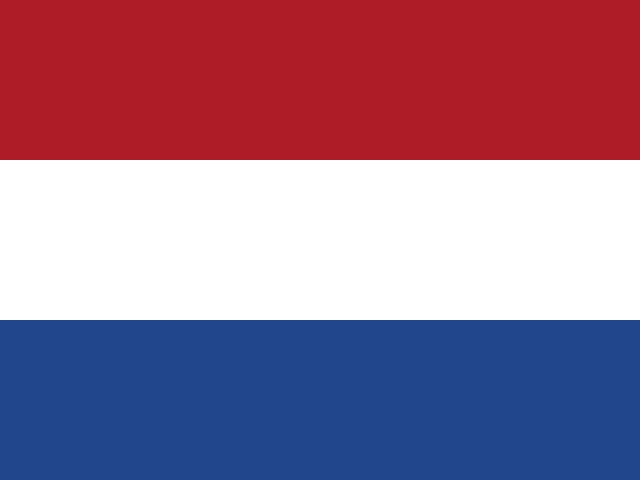 vs
vs
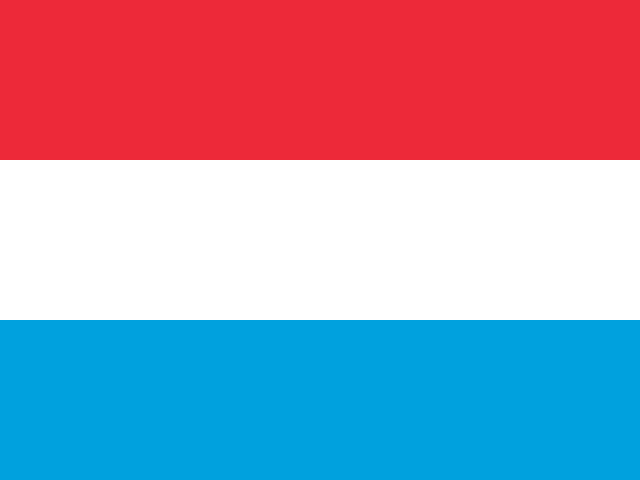
Both flags have horizontal red-white-blue stripes. The main difference is that Luxembourg uses a lighter blue (sky blue) while the Netherlands uses cobalt blue.
Australia and New Zealand: Pacific Confusion
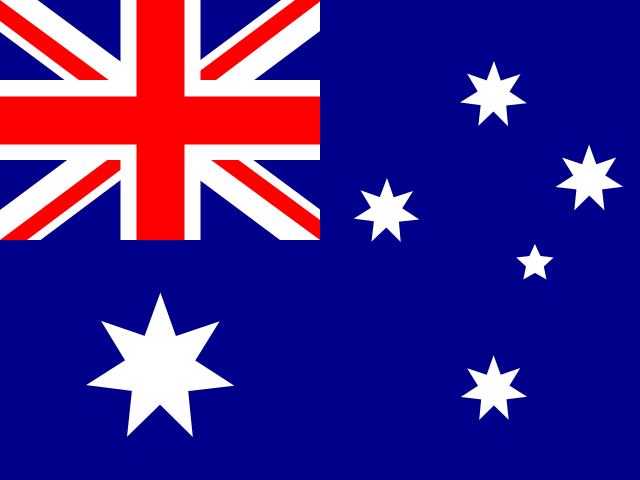 vs
vs
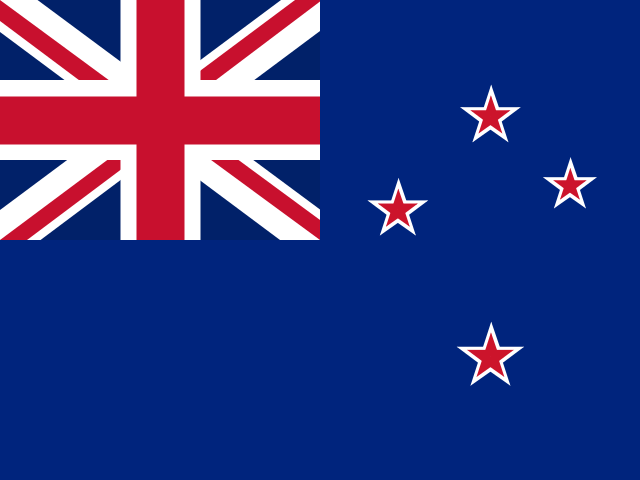
Both flags have a blue background, the Union Jack in the canton, and the Southern Cross constellation. The differences are:
- Australia: 6 white stars in total: the large seven-pointed Commonwealth Star below the Union Jack, plus five Southern Cross stars (four with seven points and one with five).
- New Zealand: 4 red stars with white border, 5-pointed, without the large star.
New Zealand held a flag referendum in March 2016, following a first vote to select an alternative design in 2015. Voters chose to retain the existing flag.
Ireland and Ivory Coast: The Mirror
 vs
vs
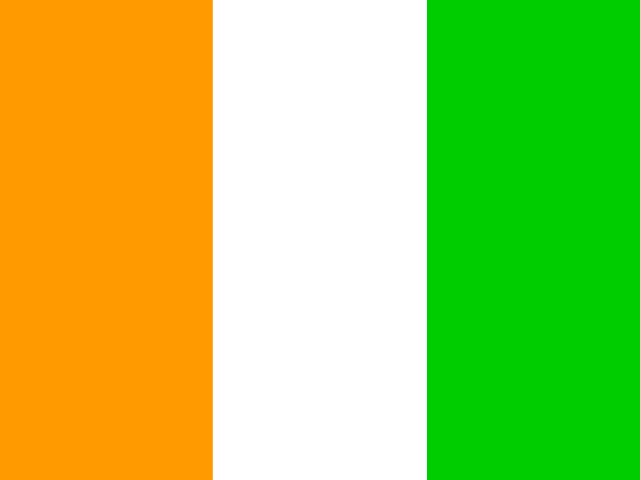
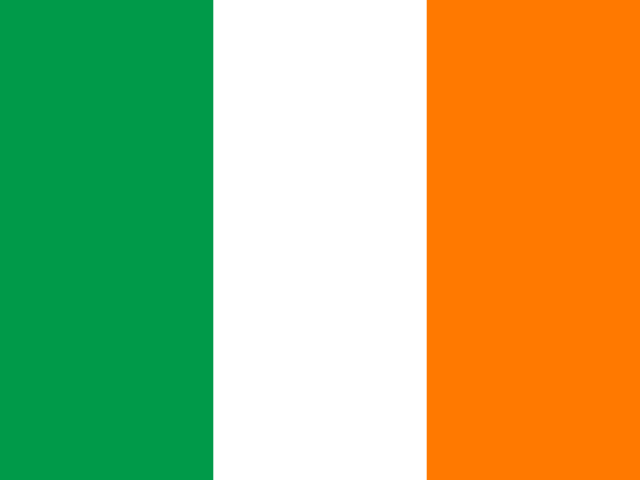
Both are green-white-orange tricolors, but reversed. Ireland has green at the hoist (left), Ivory Coast has orange at the hoist.
The origins are different: the Irish flag symbolizes peace (white) between Catholics (green) and Protestants (orange). The Ivorian represents the northern savanna (orange), peace (white), and southern forests (green).
Slovenia, Russia, and Slovakia: The Slavic Family
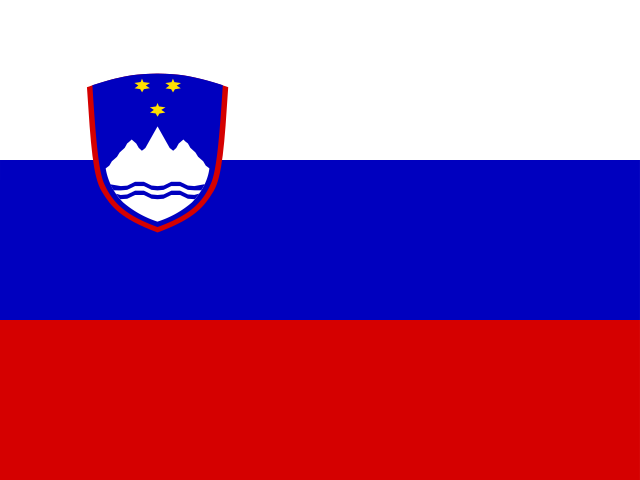
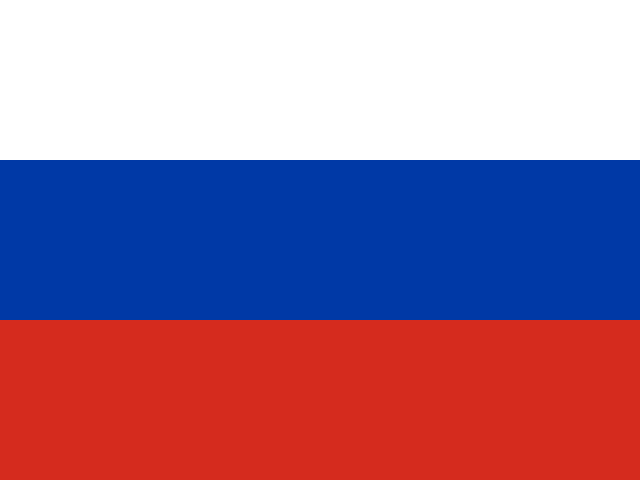
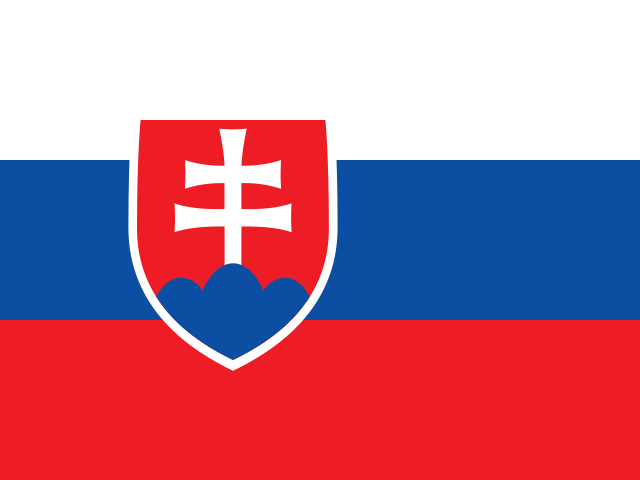
These three flags share the horizontal white-blue-red design, the traditional Pan-Slavic colors. They are distinguished by their coats of arms:
- Russia: No coat of arms (the simplest).
- Slovenia: Coat of arms with Mount Triglav and three yellow stars.
- Slovakia: Coat of arms with a double cross over three blue mountains.
Poland, Indonesia, and Monaco: The Tripartite Confusion
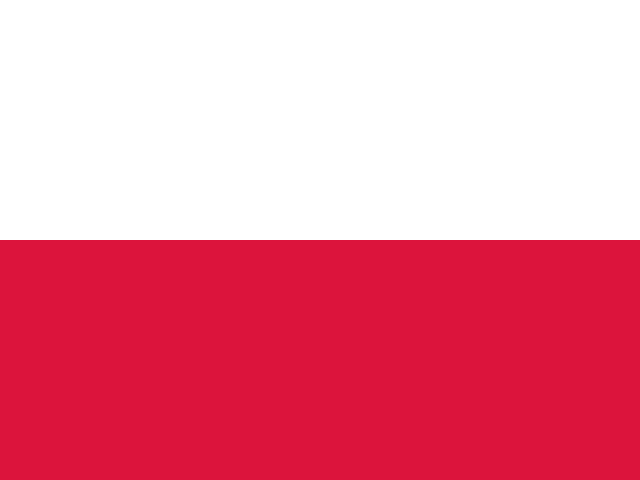
Poland uses the same colors as Indonesia and Monaco but reversed: white on top, red below. The three flags together cause maximum confusion.
Why So Many Similarities?
Several factors explain the similarities:
- Colonial heritage: Many African flags use Pan-African colors or French-style tricolors.
- Unity movements: Pan-Arab, Pan-Slavic, and Pan-African colors were adopted by multiple countries.
- Practical limitations: There are only a finite number of easily distinguishable colors and simple designs to reproduce.
- Historical coincidence: Sometimes, cultures without contact independently developed similar symbols.
More Similar Flags
Bahrain and Qatar
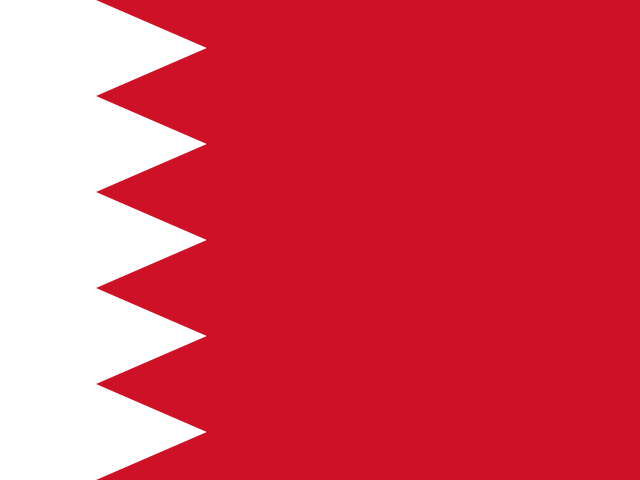 vs
vs
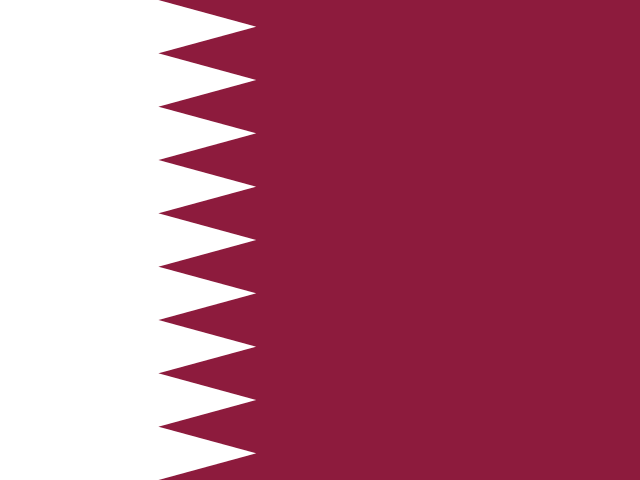
Similar in concept (white with serrated red/maroon), but Qatar is longer and uses maroon instead of red.
Liechtenstein and Haiti
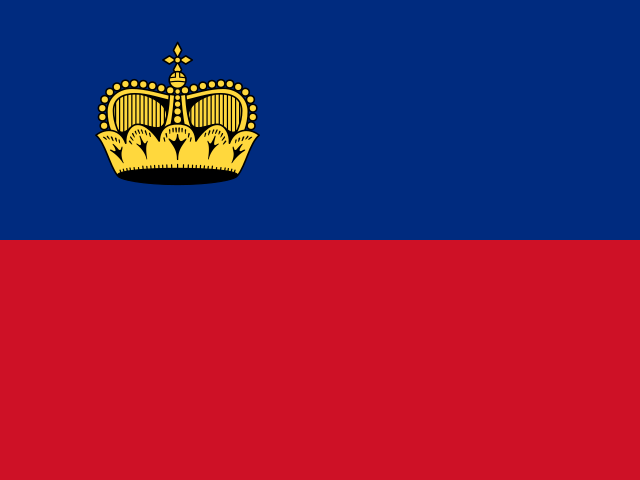 vs
vs
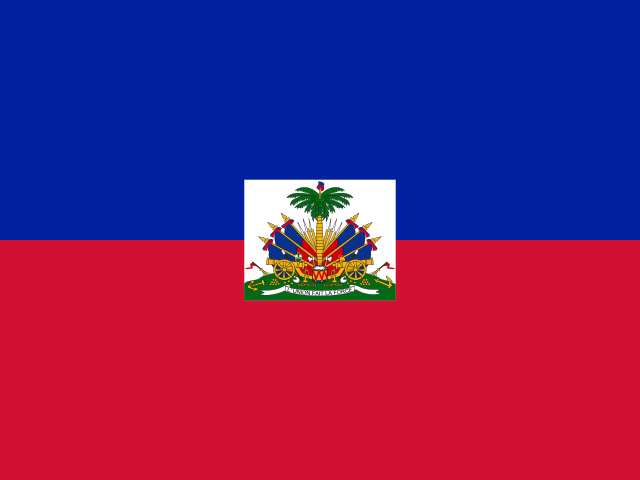
Both use blue above red. In the current designs pictured here, Liechtenstein has a gold crown near the hoist; Haiti has a coat of arms on a white panel.
Senegal and Mali
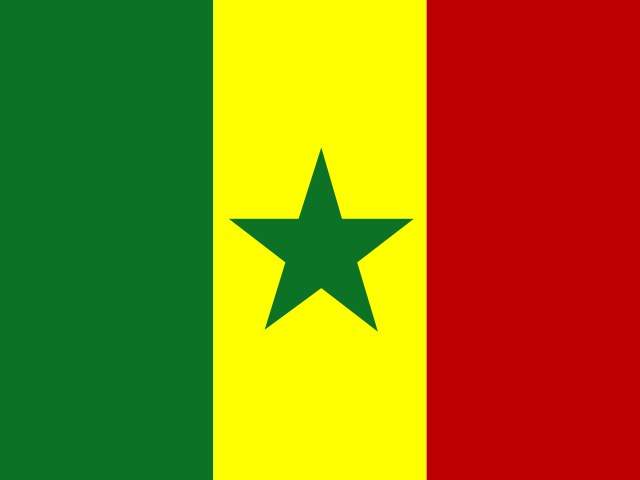 vs
vs
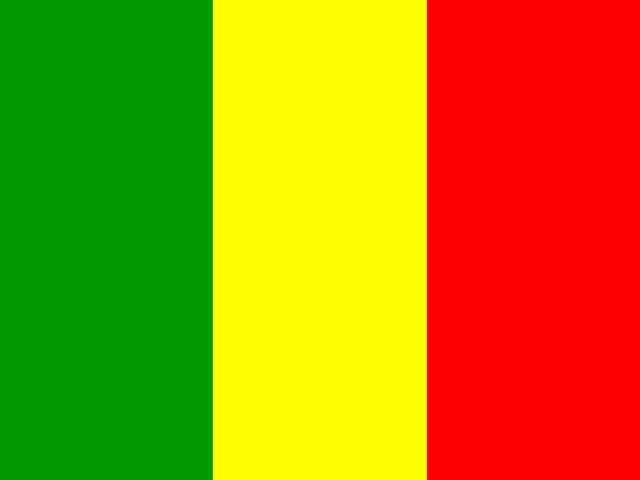
Both have vertical green-yellow-red bands. Senegal has a green star in the yellow band; Mali has no star.
Sources for the corrections
Updated 17 September 2026: corrected Australia's stars and the referendum wording; removed unsupported historical anecdotes.
Comments
No published comments yet.
Leave a comment
Share a question or something useful about the article. Comments are reviewed before publication. Please leave out personal details and advertising.