The Meaning of Colors in Flags
The colors of national flags are not random aesthetic choices. Each shade selected usually carries centuries of symbolism, history, and cultural meaning. Understanding these colors helps us better comprehend the identity and values of each nation.
Red: The Color of Passion and Sacrifice
Red is the most common color in world flags, appearing in approximately 74% of all national flags. Its symbolism is powerful and varied:
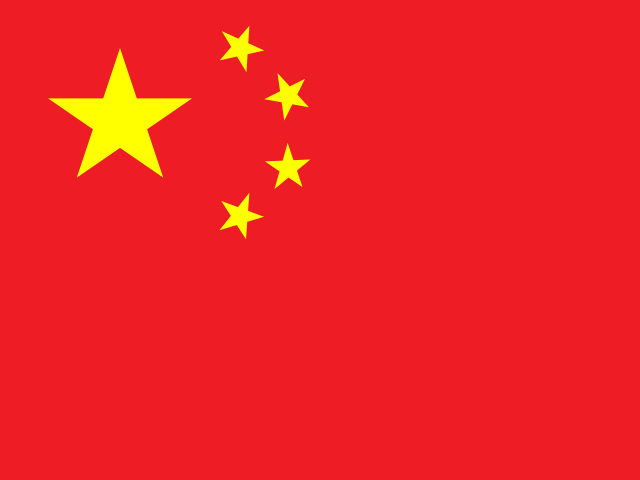
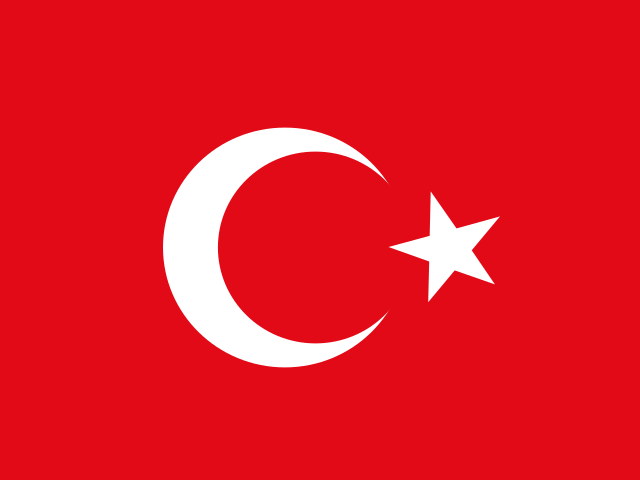
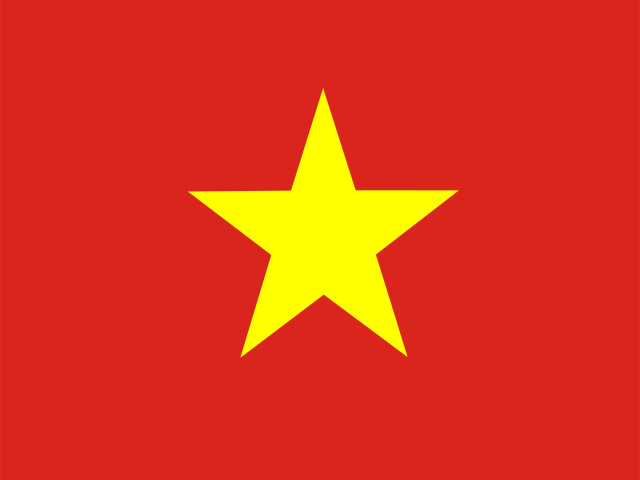
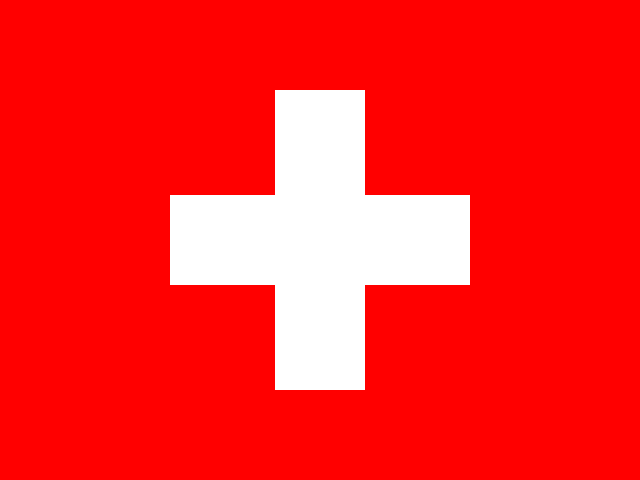
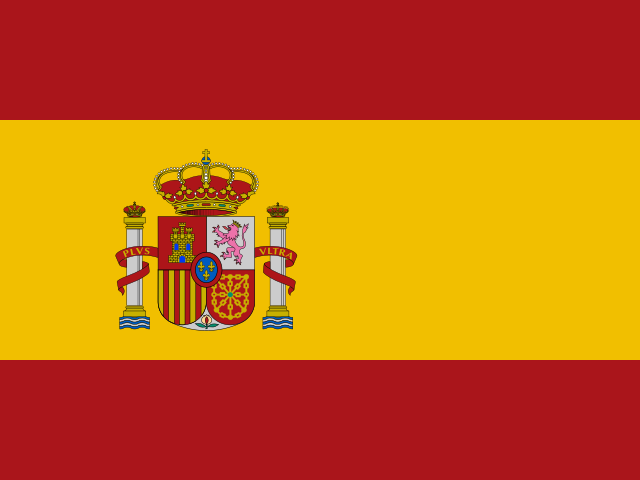
- Blood and sacrifice: In most countries, red represents the blood shed by patriots in the fight for independence or freedom. This is the case for countries like the United States, France, and most Latin American nations.
- Bravery and courage: Red symbolizes the warrior spirit and willingness to defend the homeland.
- Revolution: Since the French Revolution, red has been associated with revolutionary movements and social change.
- The sun: In some African countries like Malawi or Kiribati, red represents the rising sun and hope for a new day.
Blue: Sky, Sea, and Freedom
Blue appears in approximately 50% of national flags and can represent:
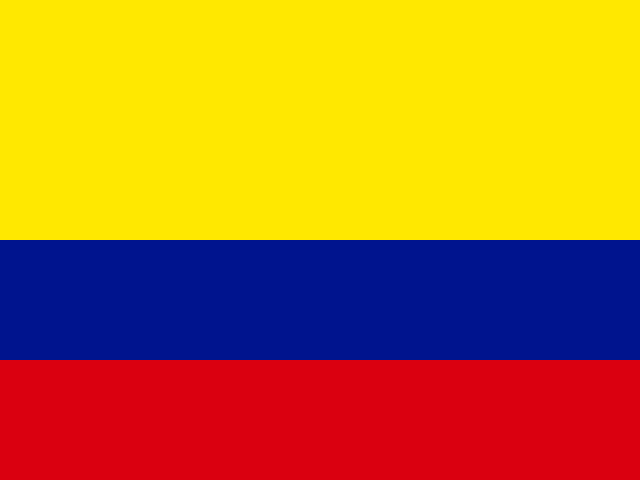
- The sky: Symbolizes lofty aspirations, infinity, and connection with the divine.
- The sea: For coastal and island nations, blue represents their relationship with the ocean.
- Freedom and justice: Blue is associated with democratic values, especially in the context of the French Revolution.
- Peace and stability: Blue conveys calm and serenity, ideals for a nation.
- Turkic heritage: In Central Asia, sky blue represents shared Turkic identity.
Green: Nature, Islam, and Hope
Green has especially rich meaning:
- Nature: Represents forests, agriculture, and a country's natural wealth.
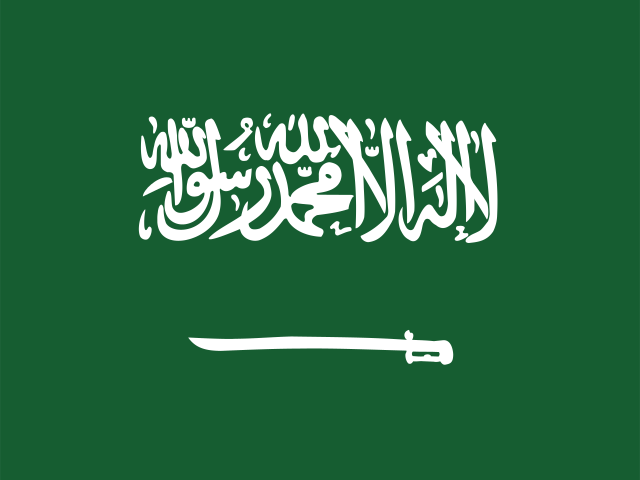
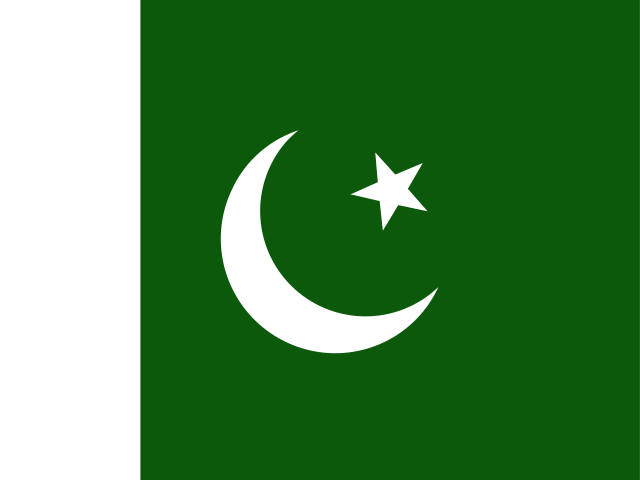
- Islam: Green is Islam's sacred color, associated with Paradise. It appears in the flags of almost all Muslim-majority countries.
- Hope: Symbolizes optimism for the future and growth.
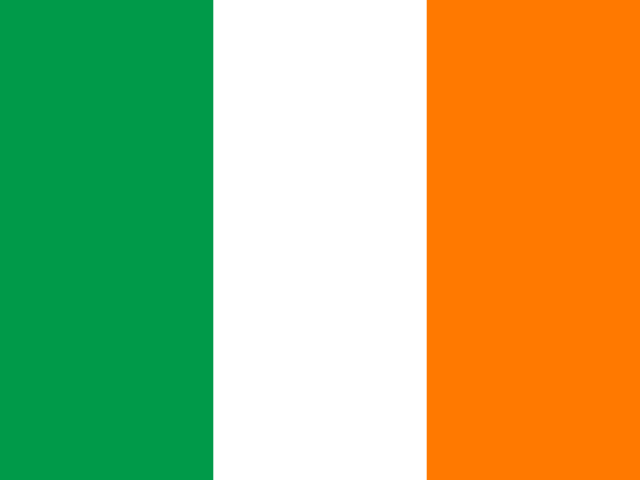
- Ireland: Green represents the Irish Catholic community and has become a national symbol.
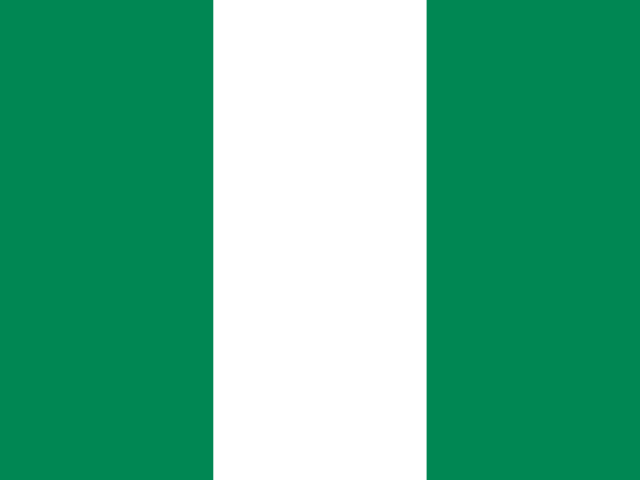
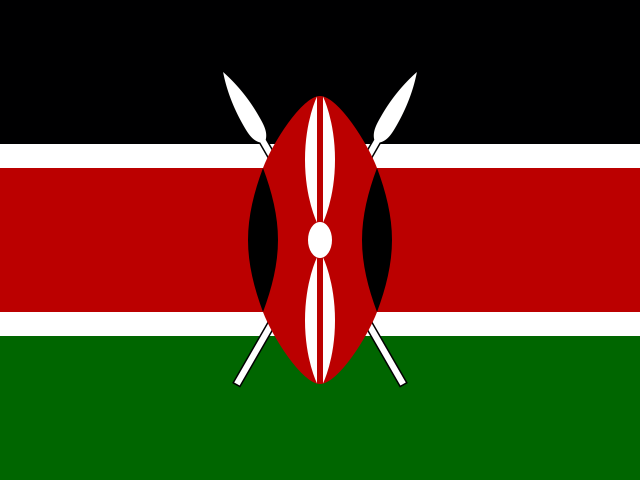
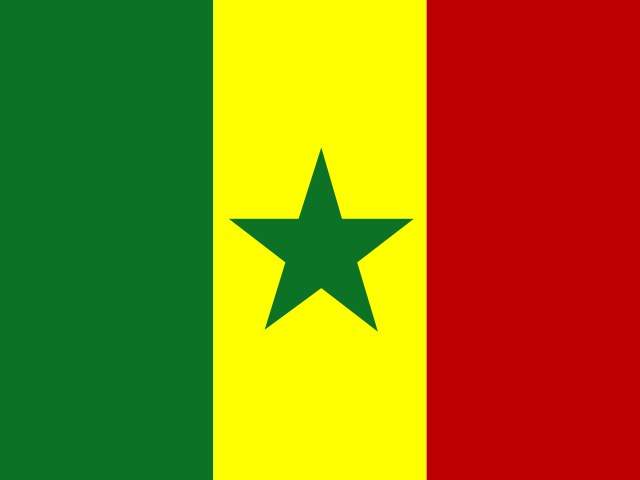
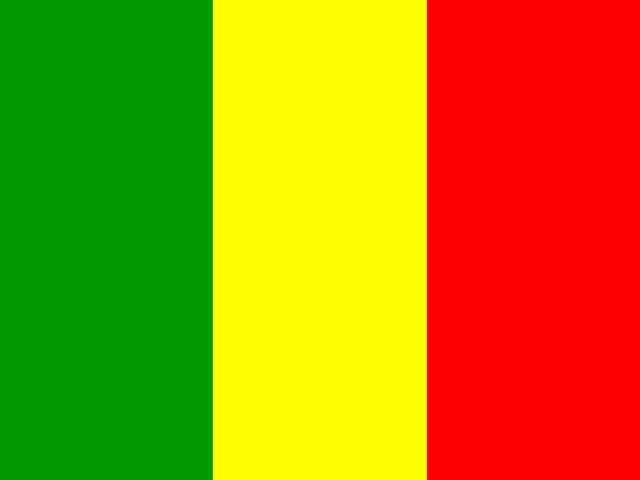
- Pan-Africanism: Along with red and yellow/black, green forms the Pan-African colors adopted by many African nations.
White: Purity, Peace, and Snow
White is universally positive:
- Peace: The most common meaning, representing the absence of war and the desire for harmony.
- Purity and innocence: Symbolizes noble intentions and honesty.
- Snow: In Nordic countries like Finland, white represents snowy landscapes.
- Unity: In many tricolor flags, white separates other colors symbolizing the union of different groups.
Black: People, Land, and Resistance
Black has special connotations:
- African people: In Pan-African colors, black represents peoples of African descent.
- The land: Symbolizes soil fertility in some countries.
- Determination: Represents strength and resistance against adversity.
- Dark period: In some flags, it represents overcome periods of oppression.
Yellow/Gold: Sun, Wealth, and Prosperity
Yellow and gold symbolize:
- The sun: Source of life, energy, and light.
- Mineral wealth: Gold, copper, and other precious minerals.
- Prosperity: Abundance and economic well-being.
- Royalty: Gold is traditionally associated with monarchy and nobility.
Pan-Arab and Pan-African Colors
Two color groups deserve special mention:
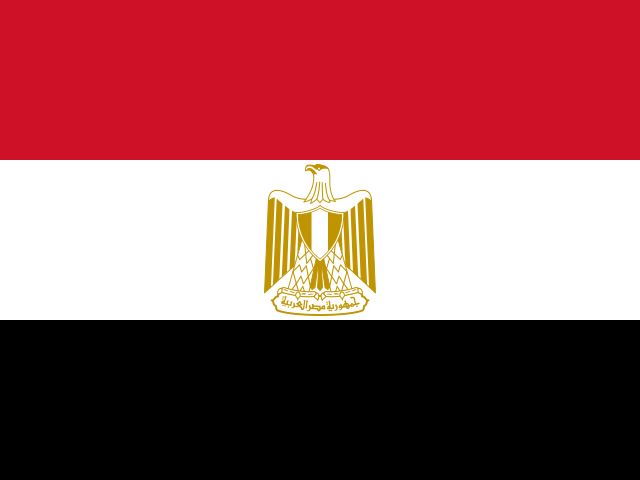
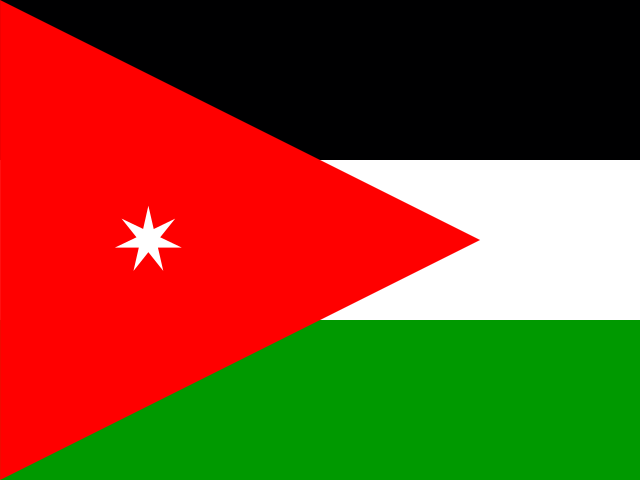
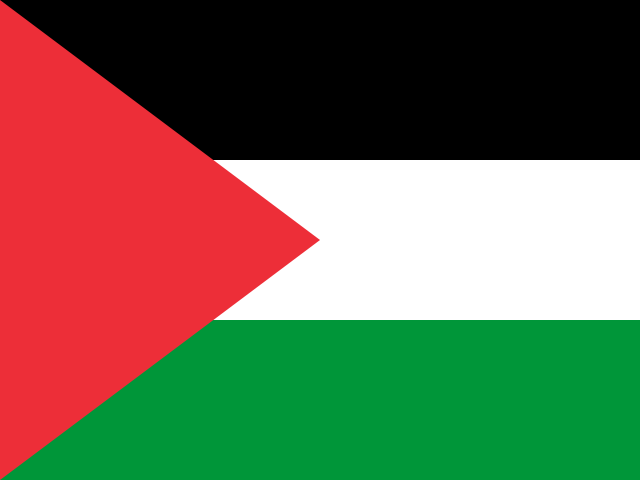
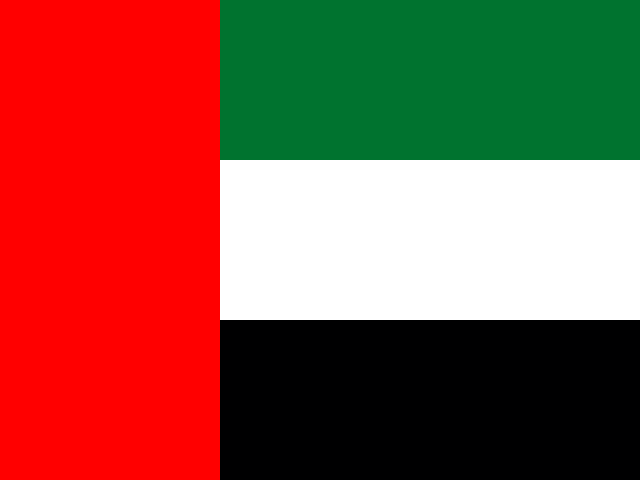
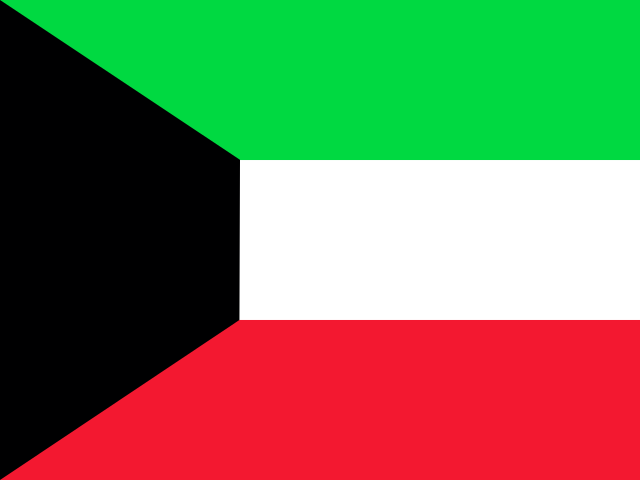
Pan-Arab colors (black, white, green, red): Derived from the flag of the Arab Revolt of 1916, they represent different caliphal dynasties in Islamic history. They are used by Jordan, Palestine, United Arab Emirates, Kuwait, Sudan, and others.
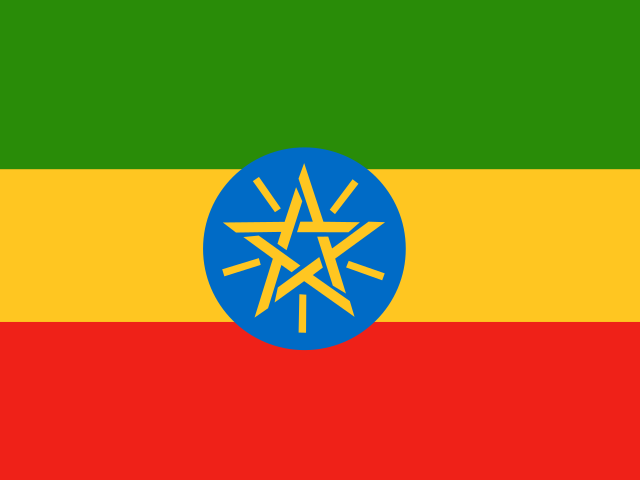
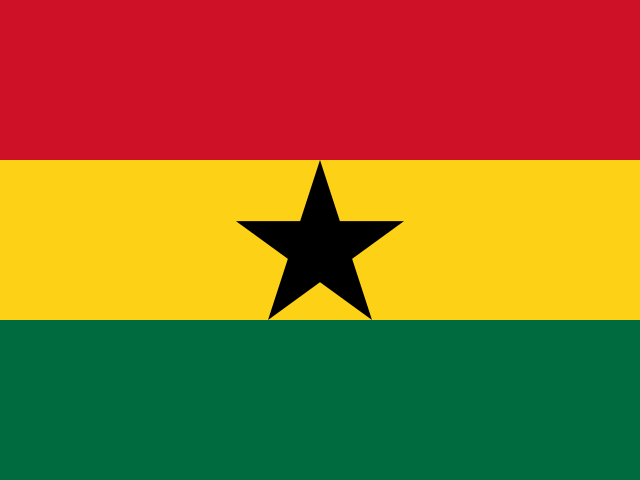
Pan-African colors (red, yellow/gold, green, sometimes black): Popularized by the Ethiopian flag, they represent African unity. Ghana was the first country to adopt them after its independence in 1957, and many others followed its example.