

Introduction

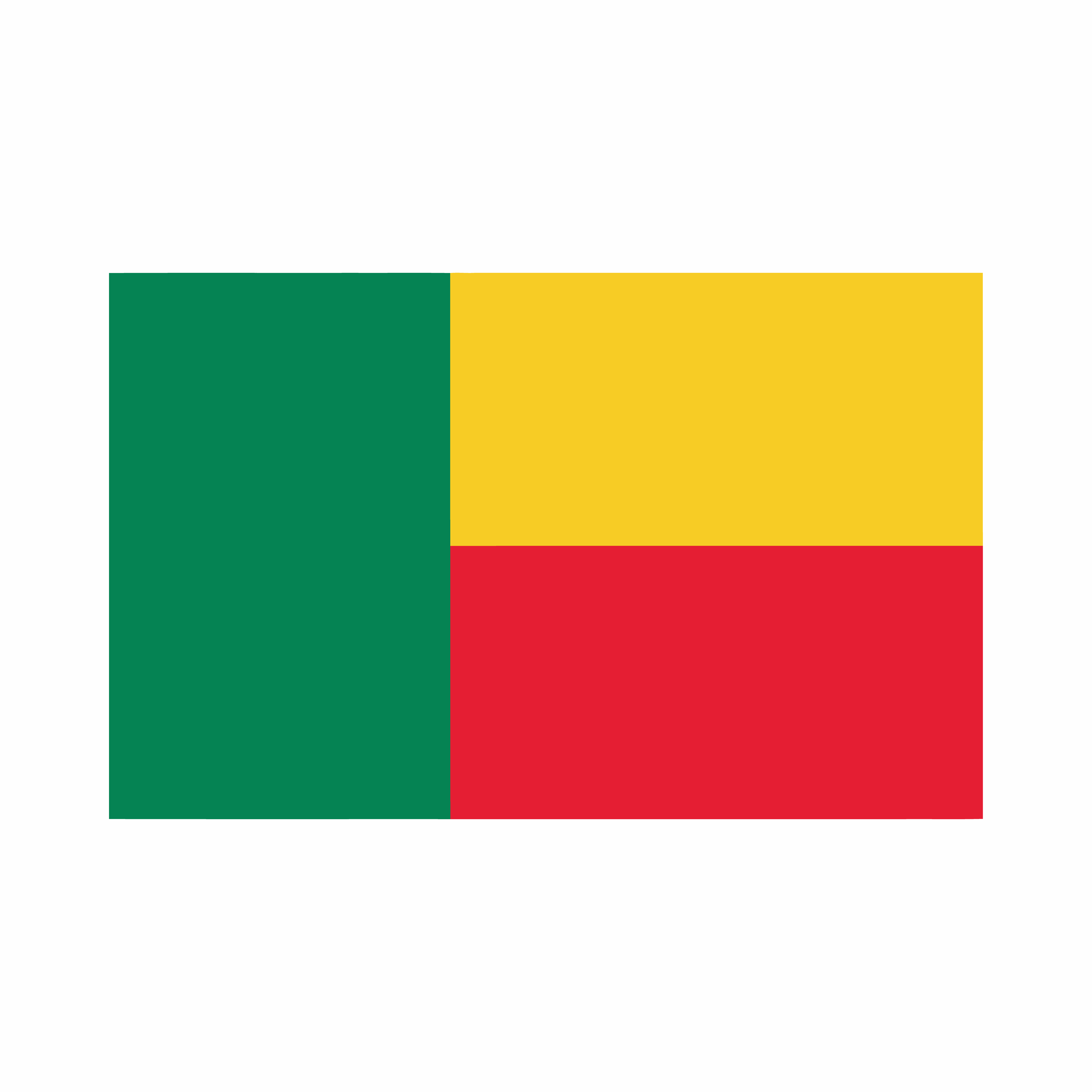



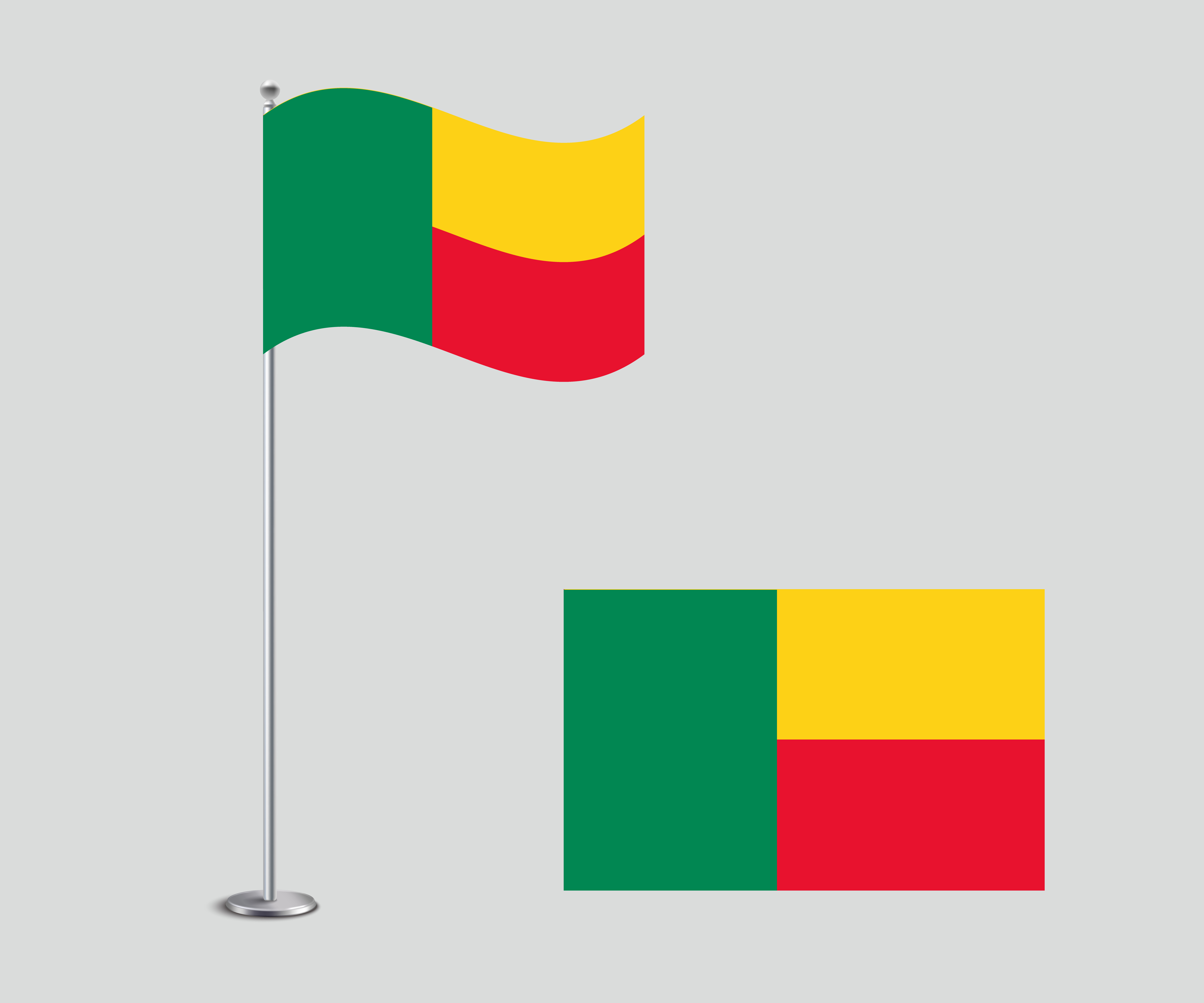
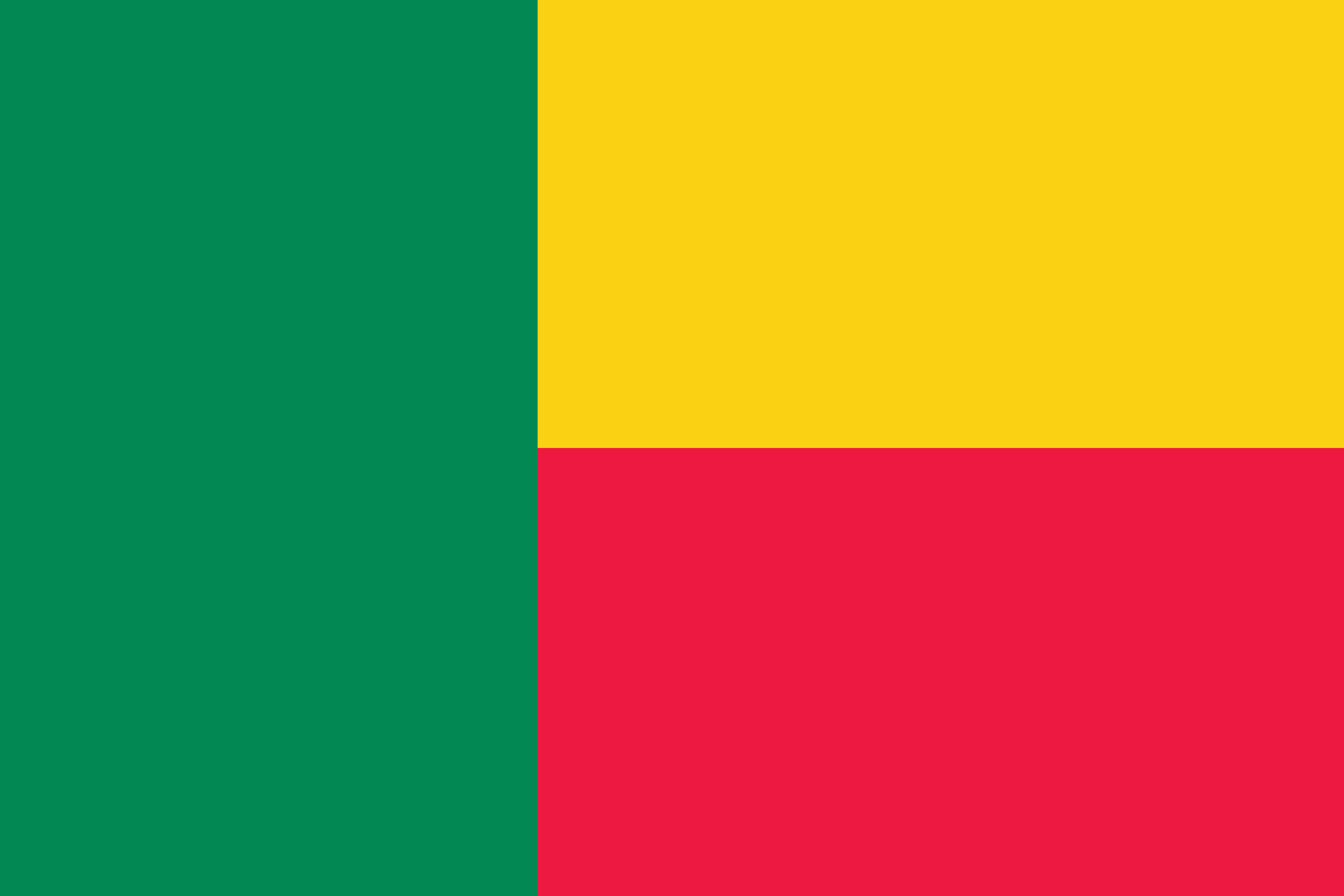
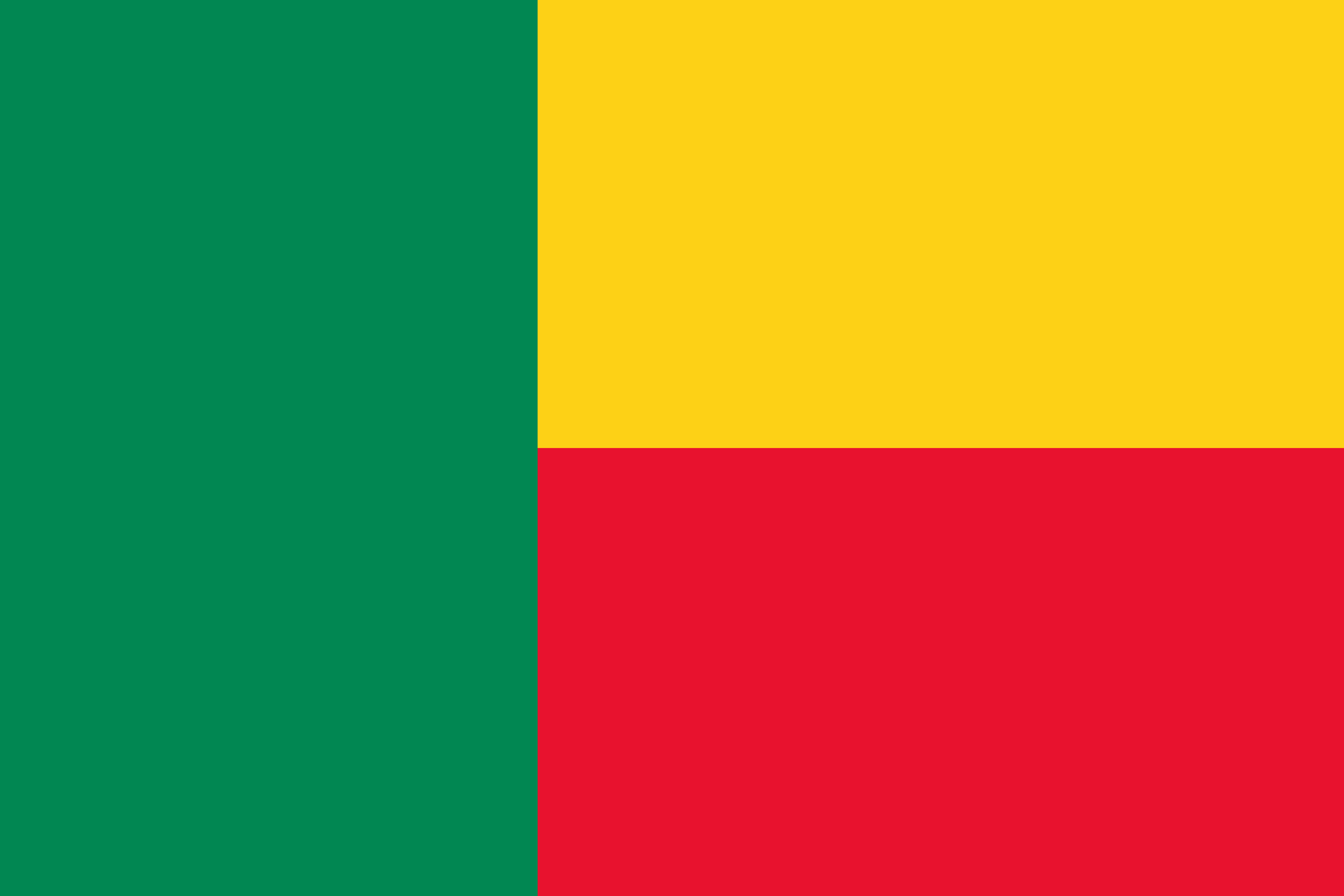



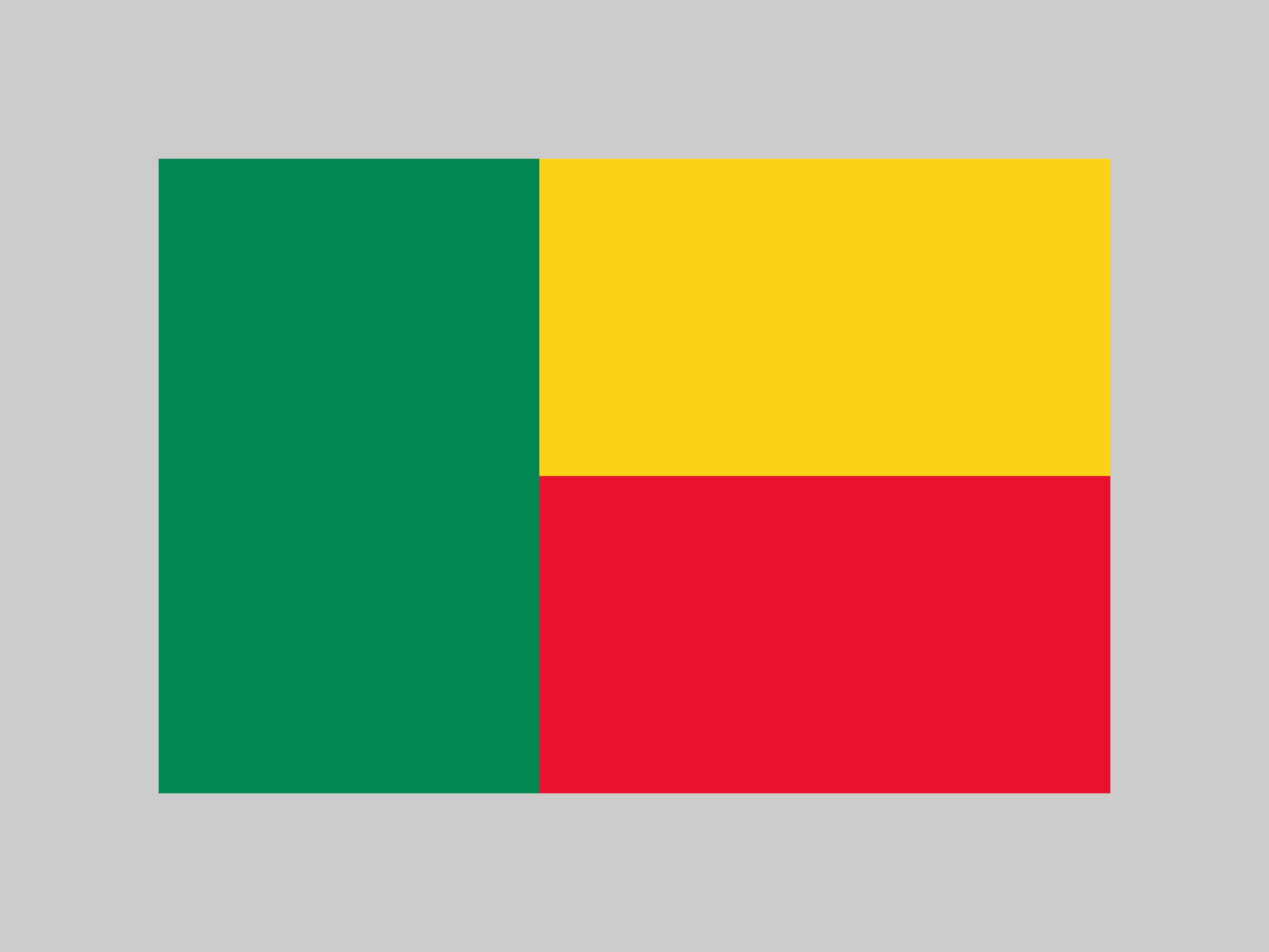

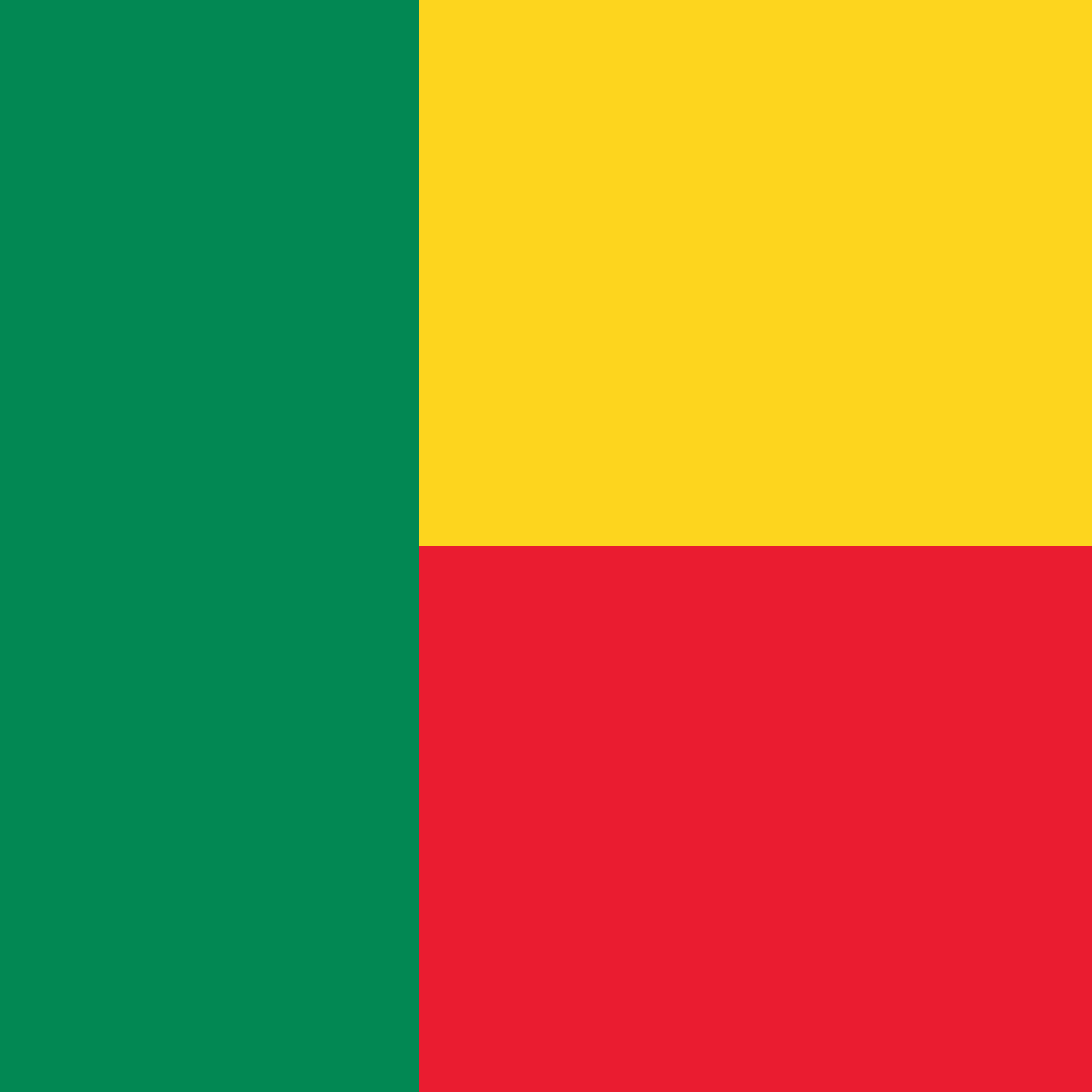
The national flag of the Republic of Benin is a simple yet striking tricolor banner consisting of two horizontal bands of yellow and red on the fly, with a larger green vertical band positioned at the hoist. Its design is a classic example of a pan-African color scheme, which is widely recognized across the continent. The flag's straightforward geometric layout makes it easily identifiable from a distance.
The current flag was officially readopted in 1990, marking a significant political transition for the nation. It originally served as the national flag from independence in 1960 until 1975, when it was replaced during a period of Marxist-Leninist government. The flag's return symbolized a restoration of the country's original national symbols following a move toward a multi-party democratic system.
Meaning & Symbolism
The colors of the Benin flag carry deep symbolic meaning rooted in pan-Africanist ideals and national identity. The green stripe represents hope and renewal, specifically the hope for a new democracy. It also symbolizes the southern palm groves and the country's agricultural wealth.
The yellow stripe signifies the country's natural riches and the savannas of the north. The red stripe evokes the courage of ancestors and the blood shed by those who fought for the nation. Together, the colors form a cohesive representation of the land, its people, and their aspirations.
History of the Benin Flag
The flag was first adopted on November 16, 1959, while Benin was still the autonomous Republic of Dahomey within the French Community. It was retained as the national flag upon achieving full independence on August 1, 1960. The designer of the flag is not officially documented in major vexillological sources.
In 1975, the country was renamed the People's Republic of Benin under a Marxist-Leninist government, and a new flag with a green field and a red star was introduced. The original tricolor was triumphantly readopted on August 1, 1990, following the National Conference of Active Forces of the Nation and the establishment of a new constitution, restoring the pre-1975 national symbols.
Curiosities
- The flag of Benin is one of the few national flags where the hoist-side band is a different color from the top band, creating a distinctive 'L' shape of green.
- During the period from 1975 to 1990, the original flag continued to be used in exile by opponents of the Marxist-Leninist regime.
- Its color scheme is identical to that of the flag of Ethiopia, the origin of the pan-African colors, though the arrangement of the stripes is completely different.
Flag Images
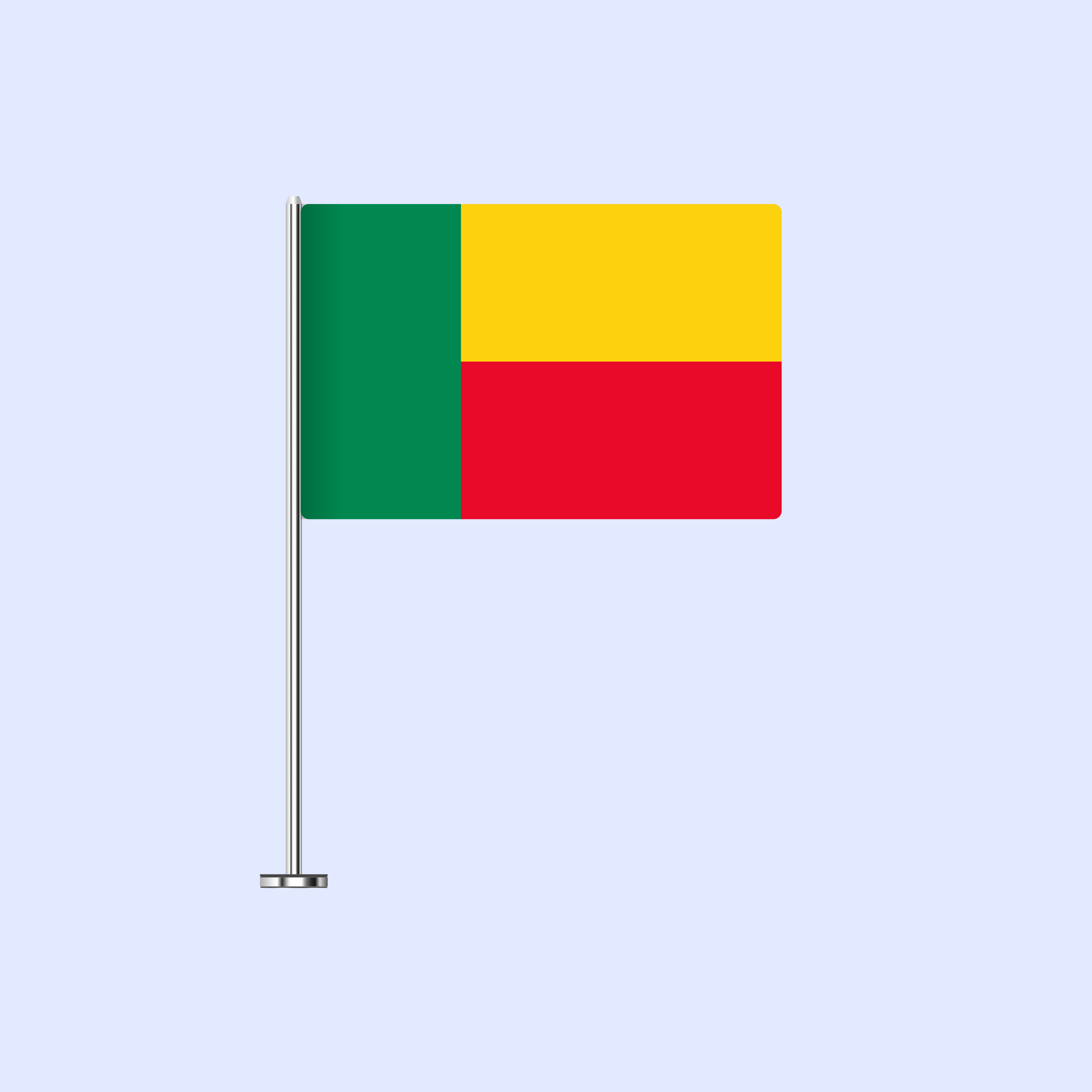

Download Flag
Download the flag of Benin in high-quality SVG vector format or PNG raster images. SVG files can be scaled to any size without losing quality.
Digital icon artwork; its proportions may differ from the official flag proportions listed on this page.
Construction Sheet
The flag has a standard proportion of 2:3 (width to length). The green vertical band at the hoist occupies exactly two-fifths (2/5) of the flag's total length. The remaining three-fifths (3/5) of the fly is divided into two equal horizontal bands, with yellow on top and red on the bottom.
Flags Similar to Benin Flag
 Mali
vertical green stripe, but with gold and red horizontal stripes
Mali
vertical green stripe, but with gold and red horizontal stripes
 Equatorial Guinea
vertical red stripe, with yellow and green horizontal stripes
Equatorial Guinea
vertical red stripe, with yellow and green horizontal stripes
 Ethiopia
green, yellow, red - different arrangement
Ethiopia
green, yellow, red - different arrangement
 Lithuania
yellow, green, red - different arrangement
Lithuania
yellow, green, red - different arrangement
 Bolivia
red, yellow, green - different arrangement
Bolivia
red, yellow, green - different arrangement
Common Misidentifications
Occasionally confused with the flag of Mali from a distance due to the shared vertical green band and use of yellow and red, though the order of the horizontal stripes is reversed.